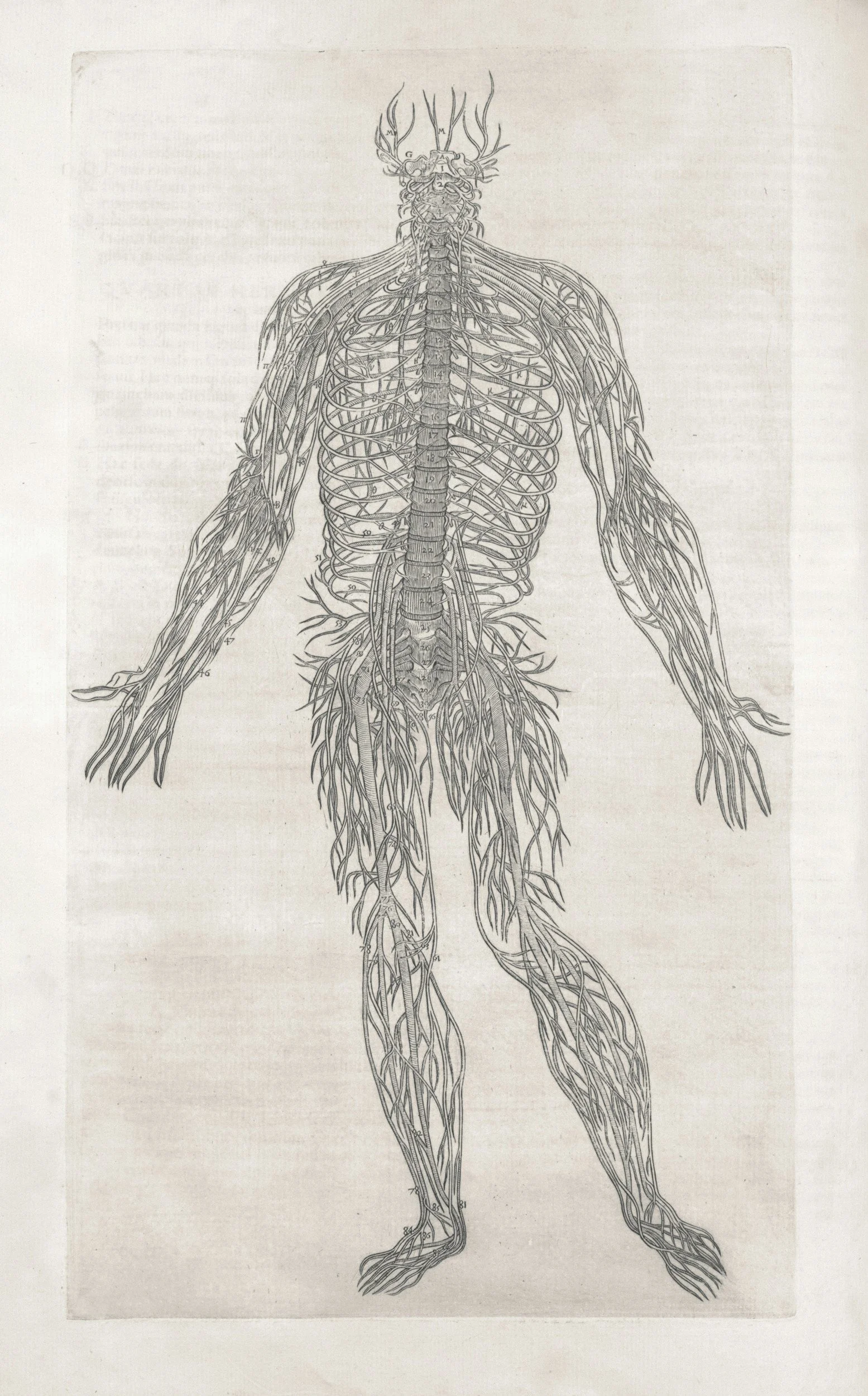
The nervous system is separated into two areas, the Central Nervous System (CNS) and the Peripheral Nervous System (PNS). The CNS is comprised of the brain & spinal cord, the PNS is the nerves that ‘branch out’ and connect with the organs, muscles, fascia and tissues throughout the body.
The term ‘nervous system’ is used in common parlance more now than ever, as people are taking more notice of the effect of certain stimulus, both external and internal, on their overall health and wellbeing.
This phenomenon demonstrates that there is a broadening understanding of the relationship between how people feel, their emotions, thoughts and perceptions, and their physical wellbeing.
The ‘Holistic Health’ sector has differentiated itself from the allopathic, ‘main-stream’ medicine sector by espousing this connection between states of feeling and states of being, namely the interface between the energetic or intangible and the physical or tangible aspects of health & wellness.
However, there is less and less need for Holistic Health to be an active differentiator, as the rest of the mainstream is gradually coming in behind these same core principles
It’s fantastic that there is a greater public understanding of neurophysiology, and that people are able to advocate and make decisions on behalf of the health of their nervous system.
The growing awareness around nervous system health is supporting holistic health modalities such as acupuncture, naturopathy, somatic therapies, integrative psychology, nature-based psychotherapy, CHEK holistic lifestyle coaching and many others.
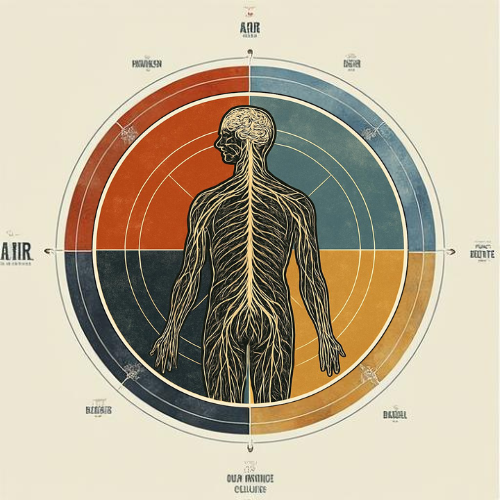
The four key pillars of Holistic Health: Physical, Mental, Emotional & Spiritual; are built into the coaching model I practise.
Why is this important? Well, if we have physical pain, there is usually some underlying pattern or posture, some imbalance or overload, that is driving a pathological or painful outcome. So, then we need to look at where this pattern or posture is showing up, and we move into the realm of habits. The habit is driving the outcome, so addressing this habit is key to creating a different outcome.
When speaking to habit, we naturally move into beliefs, as they are usually the underlying driver of habits. The belief influences our perception of the world and our place in it. The architecture of that belief colours the relationship we have with the internal and external environments we inhabit. Perhaps someone’s back pain is a result of the way they stand at work, which is rigid and static, and their belief is that they are ‘solid and efficient’ at work.
So what does this belief serve? Usually, not always, but a lot of the time, a belief serves as an ‘existential insurance policy’ - a means of ensuring our survival, belonging and safety within an ever-changing, dynamic and often chaotic world.
Where there is an absence of deeper meaning and connection, certain beliefs act as poor proxies or substitutes in order to safeguard some semblance meaning and connection.
So in navigating a person’s beliefs, we get to having a conversation around their sense of meaning, purpose and connection.
So, lets walk that back and recap:
Physical pain, discomfort or imbalance - Key Issue
Posture, movement patterns, musculoskeletal imbalances - PHYSICAL
Habits, thoughts & beliefs about how to Be in the world - MENTAL
Perceptions, feelings and relationship to Self and Other - EMOTIONAL
Sense of Meaning, Purpose, Connection and Safety - SPIRITUAL
So, if I am the practitioner and I want to address a symptom of physical pain within my client’s body, I need to have some reverence for this chain of inter-relating factors.
Its important to state that this is not a linear or consecutive order, but merely a simplistic model/example that serves to demonstrate why the Holistic Model is important in supporting a clients physical journey.