
WORKING WITH CHRONIC PAIN

Dynamic Neuromuscular Stabilisation - Developmental Patterns that Restore the Blueprint of Original Movement
GHOST IN THE MACHINE
Where does pain come from? Does it arise spontaneously with sudden impact or does it grow and develop over time? The former is generally defined as acute pain, the latter as chronic.
Both types of pain have different causes and varying symptoms, but pain creates suffering within the individual and limits them from participating fully in life.
There are many robust and effective means of treating acute pain, whereby a sudden event or impact has influenced the body resulting in injury, pathology and pain. Often the timeline between accident/injury and return to function is much shorter with acute pain.
Chronic pain is another story. It often results from long-term ‘subclinical’ issues, whereby there isn’t any outright debilitating pain initially, but its more like the low hum or constant background noise than the comparatively ‘big bang’ of acute pain.
As a result, we manage. Our body and our nervous system adapts and moves on.
We work around the insufficiency and get on with life, sport, work, and the other many demands of existence. Then it begins, a sensation that develops from a niggle into a twinge and eventually to fully-blown chronic pain.
But since it happened slowly, our nervous system has been adapting alongside this insufficiency, finding new and creative ways of managing and moving.
So, in dealing with the chronic pain, the approach is often the same as with acute. People look for a quick and effective intervention. But this doesn’t align with the embedded nature of chronic pain. It didn’t arrive quickly, so it doesn’t depart that easily either.
NERVOUS SYSTEM: WHEELHOUSE OF MOTOR CONTROL
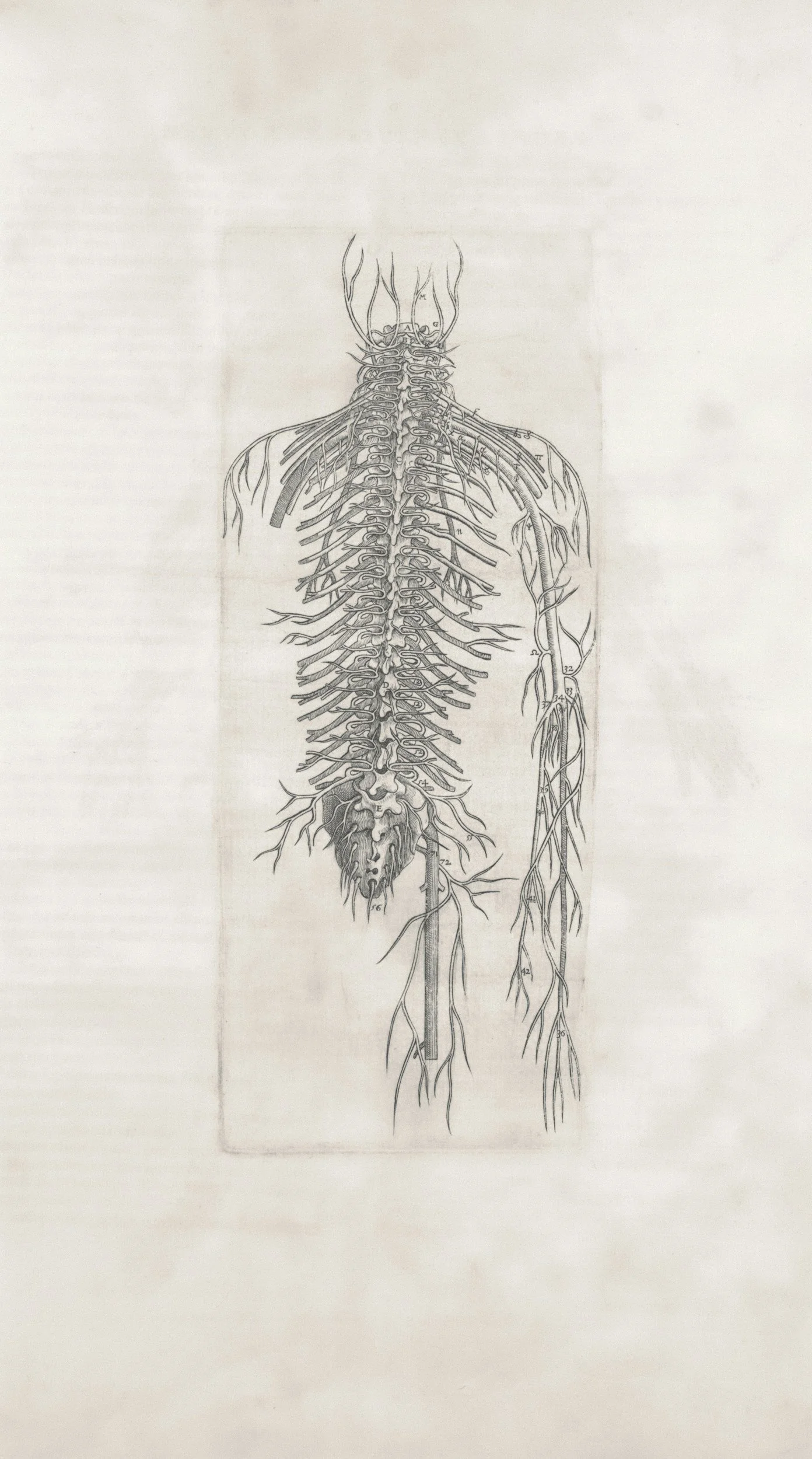
Understanding the influence of the nervous system on motor control is fundamental to creating change in movement and posture
The key here is the nervous system. Like the wheelhouse or bridge on a ship, the brain, spinal cord and branches of nerves telegraph commands throughout the body.
Our nervous system is responding to stimulus, both extrinsic and intrinsic, to conserve energy and ensure survival. In the early stages, before chronic pain sets in, the adaptations and work arounds become embedded in the ‘soft wiring’ of the nervous system. These pathways become highways, and the movement pattern or muscle recruitment program becomes largely unconscious and automatic as it is ingrained in the brainstem.
Seeking to influence these factors through effort and control often doesn’t work because of the nature of the nervous system. To try to encourage change by force is like trying to teach someone a new skill by yelling at or pressuring them. The outcome arrives, but how we get there and the specific strategy may not be productive to the overall goal. Often the outcome is delivered through tension, specifically surface tension, of phasic movement muscles rather than tonic postural muscles.
Often it’s not about the ‘What’ but more the ‘How’ of movement.
What is the strategy that has been employed by the body and brain in managing chronic pain whilst still moving and operating in the world?
Often where the pain began is not where it ended. The sprained ankle causes discomfort, so you walk differently to place less weight through that foot, which changes your gait pattern, overloads the opposite knee, developing into hip pain, low back pain and ankle instability. All over the course of time

DNS: MOVE TO CHANGE
This is where the subtle power of Dynamic Neuromuscular Stabilisation (DNS) comes into the picture. Through the principles of DNS the practitioner and client are able to interface and create change at the level of the nervous system, specifically the sub-cortical level.
‘Sub-cortical’ means below the cortex, which is where automatic reflexes are stored. Its where skills go once they’re innate and natural, like driving a car, riding a bicycle or work-specific tasks that are honed over the course of a career.
This is where the movement patterns that govern posture and gait are stored, with efficiency in mind, so that you don’t need a conscious thought every time you stand up or take a step.
DNS focuses on a few key pillars:
Core Stability
Breathing Dynamics
Joint Position
Spinal Orientation
In order to influence the core motor pattern, a DNS practitioner will seek to hold their client in a state of parasympathetic dominance (as opposed to sympathetic).
PS is the ‘rest and digest’ expression of the nervous system, and it is where the engrained pathways are most accessible and malleable.
Through maintaining this sense of effortless ease in movement, we can still ask for and work the area of the body that requires rehabilitation, such as the shoulder or hip, but without pushing the client too quickly such that they revert to control, tension and force.
Through this delicate balance of movement, nervous system regulation, breath and trunk stability, we can begin to influence those embedded patterns, to restore movement from a first-principles approach, and give someone a chance at experiencing their body in motion without chronic pain.
It’s important to state that pain, its causes and treatments are varied and nuanced. There is no single factor in any of this. What is needed is the capacity to have a diverse and robust toolkit of approaches, lenses and perspectives. DNS is simply one instrument through which pain and rehabilitation may be engaged. It is, however, threading an exciting through-line between physicality and neurology, helping to stitch back together the split of body and mind that has been influencing our approach to health and healing since Rene Descartes first uttered those words.